How to Prevent Clogged Drains Without Using Harsh Chemicals
A clogged drain is one of the most common plumbing problems homeowners face. Whether it's a slow-draining kitchen sink, a backed-up shower, or a bathroom sink that won't empty properly, drain clogs can quickly become frustrating and disruptive.
When a drain starts slowing down, many people immediately reach for a bottle of chemical drain cleaner. While these products may seem like a quick fix, they often create more problems than they solve. Harsh chemicals can damage plumbing pipes, harm septic systems, and pose safety risks to your family and pets.
The good news is that preventing clogged drains doesn't require harsh chemicals. A few simple habits and regular maintenance can keep your plumbing system flowing properly while helping you avoid expensive plumbing repairs.
At Bryant Plumbing, we've been helping homeowners throughout Jacksonville and Northeast Florida keep their plumbing systems in excellent condition for more than 33 years. Here are some of the best ways to prevent clogged drains naturally.
Why Do Drains Become Clogged?
Every drain in your home is designed to carry wastewater away efficiently. However, over time, debris begins to build up inside the pipes.
Common causes of clogged drains include:
- Hair
- Soap scum
- Grease
- Cooking oils
- Food scraps
- Coffee grounds
- Paper products
- Toothpaste buildup
- Mineral deposits
- Tree roots (main sewer lines)
Most drain clogs develop gradually, meaning homeowners usually have plenty of warning before a complete blockage occurs.
Never Pour Grease Down the Kitchen Sink
One of the biggest mistakes homeowners make is pouring grease into the drain.
Although grease may be liquid when it's hot, it quickly hardens as it cools.
Once inside your pipes, grease sticks to the walls and traps:
- Food particles
- Soap residue
- Coffee grounds
- Other debris
Over time, these materials build into stubborn blockages.
Instead:
- Let grease cool.
- Pour it into a disposable container.
- Throw it in the trash after it hardens.
This simple habit can dramatically reduce kitchen drain problems.
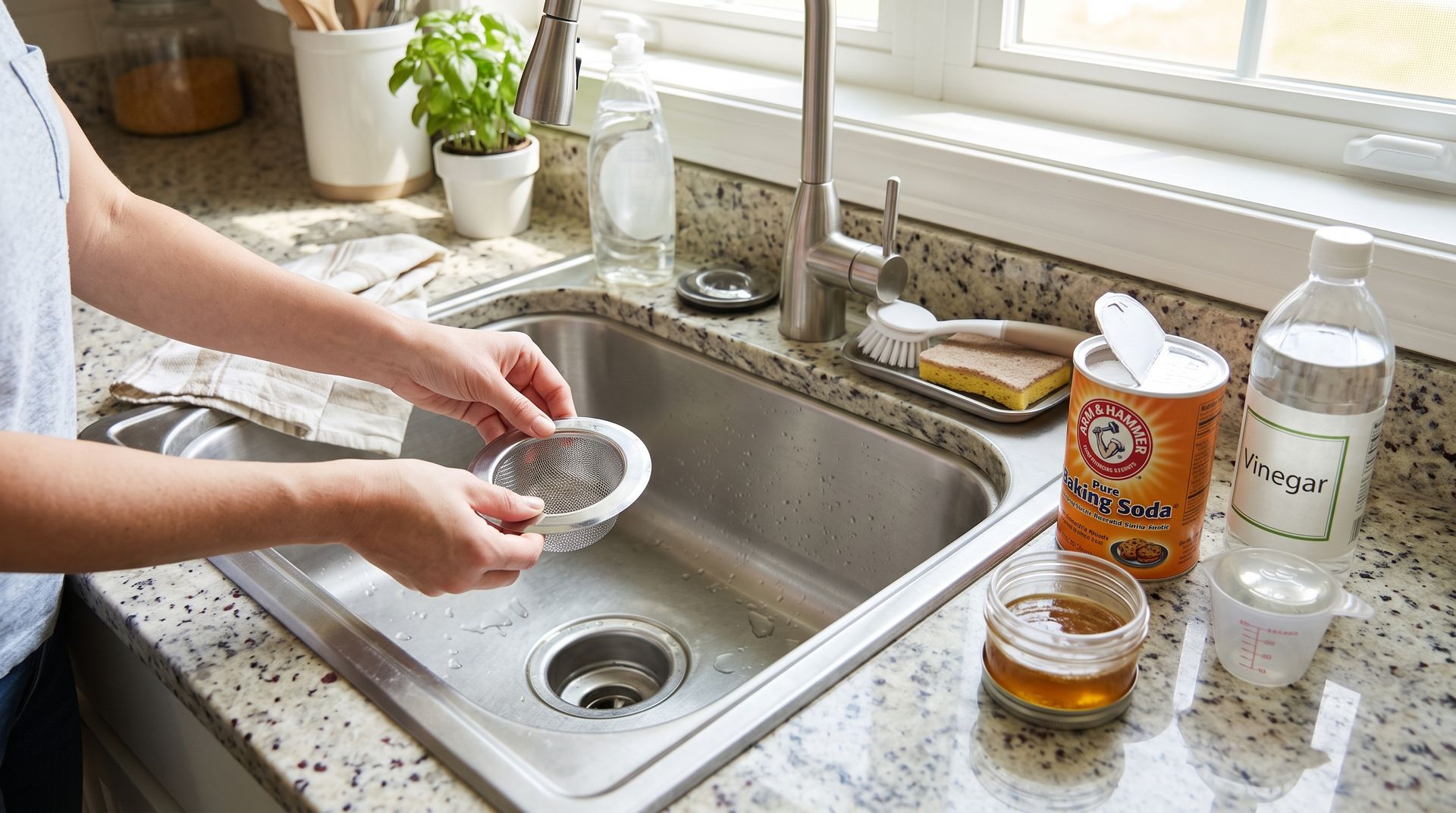
Use Drain Screens
Drain screens are one of the easiest and least expensive ways to prevent clogs.
Install screens in:
- Kitchen sinks
- Bathroom sinks
- Showers
- Bathtubs
These inexpensive devices catch:
- Hair
- Food scraps
- Jewelry
- Soap pieces
- Other debris
Cleaning a drain screen takes only a few seconds and prevents much larger plumbing problems later.
Be Careful What Goes Into Your Garbage Disposal
Many homeowners assume garbage disposals can grind anything.
Unfortunately, that's not true.
Avoid putting these items into your disposal:
- Grease
- Bones
- Eggshells
- Corn husks
- Celery
- Onion skins
- Pasta
- Rice
- Potato peels
- Coffee grounds
Even though some items seem harmless, they can jam the disposal or contribute to drain clogs.
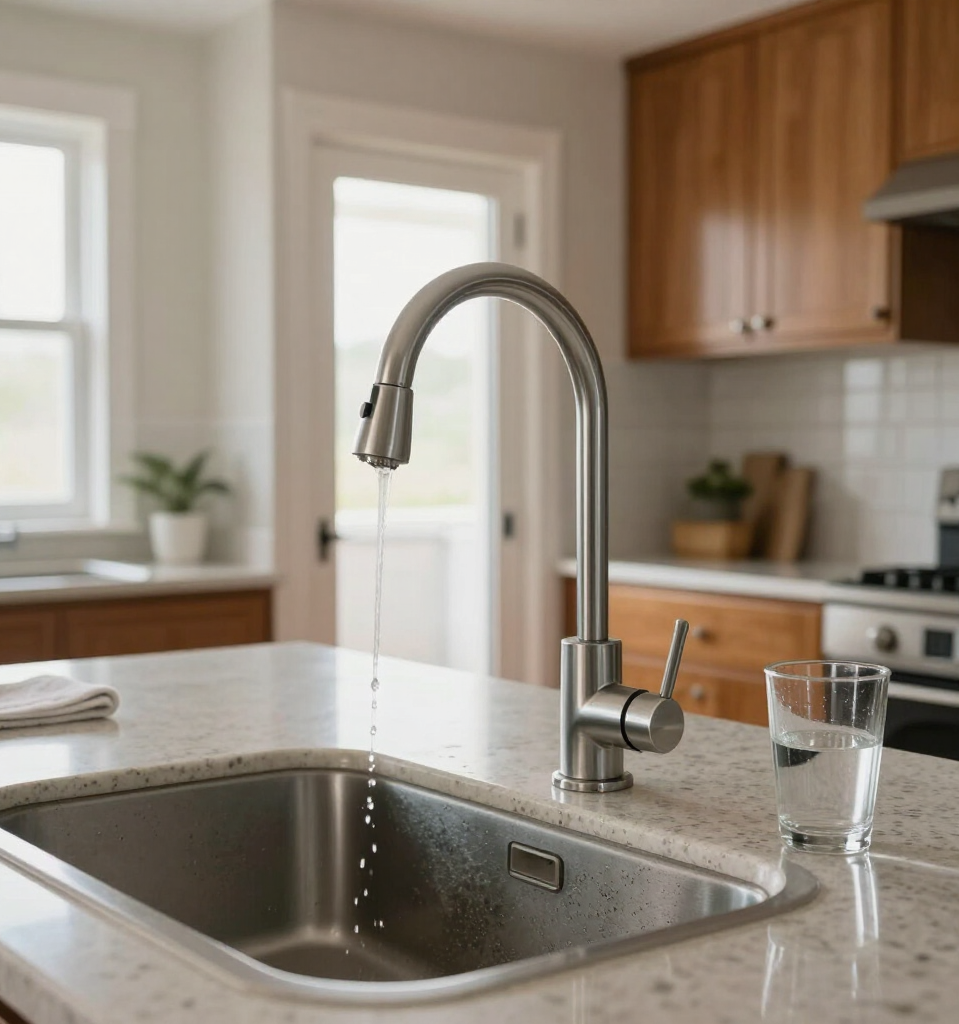
Flush Your Kitchen Drain with Hot Water
Running hot water after washing dishes helps move small amounts of grease and soap residue farther through the plumbing system before they harden.
After using the sink:
- Run hot water for 30 to 60 seconds.
This simple practice helps reduce buildup inside kitchen drain pipes.
Avoid Flushing Anything Besides Toilet Paper
Toilets are designed to handle only:
- Human waste
- Toilet paper
Even products labeled "flushable" can create serious plumbing problems.
Never flush:
- Baby wipes
- Disinfecting wipes
- Paper towels
- Cotton swabs
- Feminine hygiene products
- Dental floss
- Tissues
These materials don't break down properly and frequently contribute to sewer backups.
Keep Hair Out of Bathroom Drains
Hair is one of the leading causes of bathroom drain clogs.
As hair travels through the pipes, it combines with:
- Soap scum
- Toothpaste
- Shampoo residue
- Mineral buildup
Eventually, large clumps form inside the plumbing.
Using drain screens and regularly removing trapped hair helps prevent these blockages from developing.
Clean Drains Regularly
Preventive maintenance is much easier than clearing a major clog.
Every month, consider:
- Removing visible debris.
- Cleaning drain screens.
- Flushing drains with hot water.
- Inspecting for slow drainage.
These simple maintenance habits help keep water flowing smoothly.
Watch for Early Warning Signs
Most drain clogs don't happen overnight.
Common warning signs include:
- Water draining slowly.
- Gurgling sounds.
- Unpleasant odors.
- Water pooling around drains.
- Frequent need for plunging.
Addressing these symptoms early often prevents a complete blockage.
Why Chemical Drain Cleaners Can Be a Bad Idea
Many chemical drain cleaners contain highly corrosive ingredients.
While they may dissolve some clogs, they can also:
- Damage older pipes.
- Weaken plastic plumbing.
- Harm septic systems.
- Produce dangerous fumes.
- Cause skin burns.
- Create hazardous conditions for plumbers.
Repeated use often causes more harm than good.
Professional drain cleaning removes blockages safely without exposing your plumbing system to harsh chemicals.
Natural Ways to Help Keep Drains Clear
Many homeowners prefer safer alternatives.
Some commonly used methods include:
Hot Water
Running hot water regularly helps reduce grease accumulation in kitchen drains.
Baking Soda and Vinegar
Occasionally pouring baking soda followed by vinegar into certain drains may help loosen minor buildup.
After allowing the mixture to sit briefly, flushing with hot water helps wash loosened debris away.
While this isn't a solution for serious clogs, it can be part of a regular maintenance routine.
Regular Cleaning
Simply removing visible debris before it enters the drain is often the most effective prevention metho.
What Causes Main Sewer Line Clogs?
Sometimes the problem isn't inside the drain itself.
Your home's main sewer line can also become blocked.
Common causes include:
- Tree roots
- Pipe damage
- Grease buildup
- Foreign objects
- Aging sewer pipes
Symptoms often include:
- Multiple drains backing up simultaneously.
- Gurgling toilets.
- Sewage odors.
- Water backing into showers or tubs.
These issues require professional diagnosis and repair.
When Should You Call a Professional Plumber?
It's time to schedule professional drain cleaning if:
- Drains clog repeatedly.
- Multiple fixtures drain slowly.
- Water backs up.
- Chemical cleaners haven't helped.
- You smell sewage.
- Toilets gurgle when sinks drain.
- Water backs into tubs or showers.
Professional equipment can remove stubborn blockages without damaging your plumbing.
Why Professional Drain Cleaning Is Worth It
Professional drain cleaning does more than simply remove a clog.
It can also:
- Improve water flow.
- Remove years of buildup.
- Reduce odors.
- Prevent future clogs.
- Extend the life of your plumbing.
- Identify hidden plumbing problems before they become emergencies.
Routine maintenance often saves homeowners significant money over time.
Why Jacksonville Homeowners Choose Bryant Plumbing
The body content of your post goes here. To edit this text, click on it and delete this default text and start typing your own or paste your own from a different source.Bryant Plumbing has proudly served Jacksonville and Northeast Florida for more than 33 years.
Our experienced technicians provide dependable plumbing services for residential, commercial, and multi-family properties.
Our services include:
- Drain cleaning
- General plumbing repairs
- Emergency plumbing
- Leak detection
- Water heater services
- Plumbing installations
- Sewer services
- Residential plumbing
- Commercial plumbing
Using modern equipment and proven techniques, we solve plumbing problems efficiently while helping homeowners prevent future issues.
We also proudly offer special discounts for senior citizens, veterans, and first responders.
Keep Your Drains Flowing Smoothly Year-Round
Preventing clogged drains doesn't require harsh chemicals or expensive products. By being mindful of what goes down your drains, performing simple routine maintenance, and addressing small issues before they become major blockages, you can keep your plumbing system operating efficiently for years to come.
If your drains are draining slowly, clogging frequently, or showing signs of a more serious plumbing issue, Bryant Plumbing is ready to help. We proudly provide professional drain cleaning and plumbing services throughout Jacksonville and Northeast Florida, with 24/7 emergency service available when you need it.
Call Bryant Plumbing today at (904) 559-2939 to schedule your drain cleaning or plumbing service and let our experienced team keep your plumbing flowing at its best.
Contact Bryant Plumbing
Need a trusted plumber? Bryant Plumbing is ready to help with fast, reliable service.
Call us today to schedule your service with our trusted plumbing professionals.
Recent Posts