What Causes Low Water Pressure Throughout Your Home?
There's nothing more frustrating than stepping into the shower expecting a strong stream of water, only to be greeted with a weak trickle. Low water pressure is one of the most common plumbing complaints homeowners experience, and while it might seem like a minor inconvenience, it can often be a sign of a much larger issue.
Whether you're noticing poor water flow in one faucet or throughout your entire home, identifying the cause early can help prevent more serious plumbing problems down the road.
At Bryant Plumbing, we've been helping homeowners and businesses throughout Jacksonville and Northeast Florida solve plumbing issues for more than 33 years. Below, we'll explore the most common causes of low water pressure, what you can check yourself, and when it's time to call a professional plumber.
What Is Considered Low Water Pressure?
Most residential plumbing systems operate between 40 and 60 PSI (pounds per square inch). While pressure can vary depending on your home's location and municipal water supply, anything significantly below this range may result in noticeable performance issues.
Common symptoms include:
- Weak shower pressure
- Faucets taking longer to fill sinks
- Washing machines filling slowly
- Dishwashers taking longer to operate
- Outdoor hoses lacking adequate pressure
- Multiple fixtures struggling when used at the same time
If you've noticed one or more of these issues, it's worth investigating the cause.
1. Mineral Buildup Inside Fixtures
One of the simplest causes of low water pressure is mineral buildup.
Over time, minerals naturally found in water can accumulate inside:
- Faucet aerators
- Showerheads
- Sink sprayers
These deposits restrict water flow, making it appear that pressure has dropped.
Fortunately, this is often an easy fix. Cleaning or replacing clogged aerators and showerheads can restore proper flow almost immediately.
2. Hidden Plumbing Leaks
A hidden leak can significantly reduce water pressure throughout your home.
When water escapes through a damaged pipe before reaching your fixtures, less water is available where you need it.
Leaks commonly occur:
- Behind walls
- Under floors
- Beneath concrete slabs
- Underground
- Inside ceilings
Additional warning signs may include:
- Higher water bills
- Water stains
- Damp drywall
- Mold growth
- Musty odors
- Wet flooring
Professional leak detection equipment can identify hidden leaks without unnecessary damage to your property.
3. Partially Closed Shut-Off Valves
Sometimes the solution is surprisingly simple.
If your home's main water shut-off valve or water meter valve isn't fully open, water flow may be restricted throughout the house.
This occasionally happens after:
- Plumbing repairs
- Water heater installation
- Municipal water work
- Home renovations
Checking these valves is one of the first things a plumber will inspect.
4. Pressure Regulator Problems
Many homes have a pressure regulator installed where the main water line enters the property.
Its purpose is to maintain safe, consistent water pressure.
When the regulator begins to fail, you may notice:
- Pressure that gradually decreases
- Pressure that suddenly drops
- Fluctuating water flow
- Inconsistent performance throughout the home
A faulty pressure regulator should be replaced by an experienced plumbing professional.
5. Corroded Plumbing Pipes
Older homes sometimes experience low water pressure because the pipes themselves are deteriorating.
Over time, corrosion develops inside metal pipes, reducing the available space for water to flow.
This commonly affects:
- Older galvanized steel pipes
- Aging iron plumbing
- Corroded fittings
As the buildup increases, water flow becomes increasingly restricted.
In many cases, pipe replacement or repiping provides the most effective long-term solution.
6. Municipal Water Supply Issues
Sometimes the problem isn't inside your home at all.
Municipal water suppliers occasionally perform:
- Water main repairs
- Routine maintenance
- System upgrades
- Emergency repairs
These activities can temporarily reduce water pressure across an entire neighborhood.
If your neighbors are experiencing similar issues, the cause may be outside your home's plumbing system.
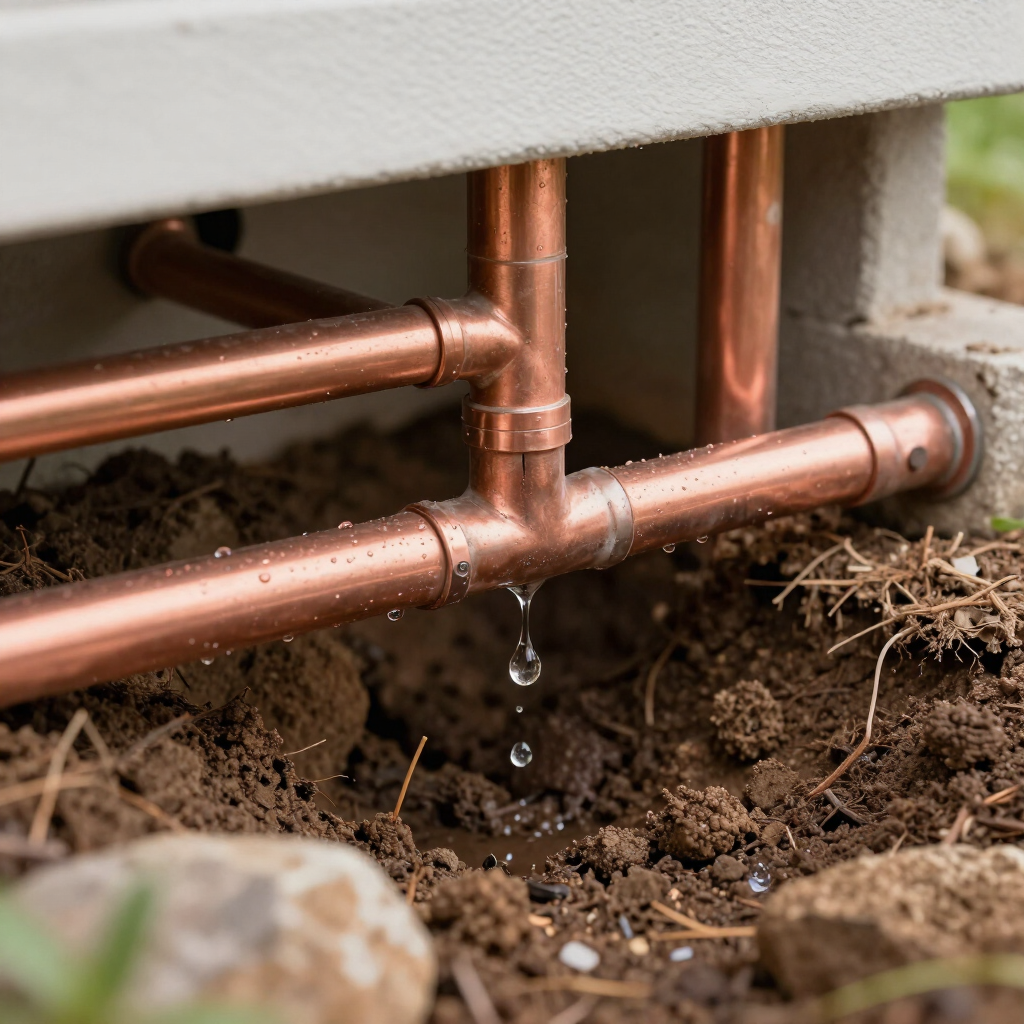
7. Water Line Damage
The underground pipe connecting your home to the city water supply is known as the main water line.
If this line develops a leak or becomes damaged, pressure throughout your home may decrease.
Warning signs include:
- Soggy spots in the yard
- Unusually green grass
- Rising water bills
- Reduced pressure everywhere
- Water pooling outdoors
Water line repairs require specialized equipment and professional expertise.
8. Multiple Fixtures Being Used at Once
Sometimes low pressure isn't caused by a plumbing problem at all.
If multiple appliances and fixtures are running simultaneously, such as:
- Showers
- Washing machines
- Dishwashers
- Lawn irrigation
- Kitchen faucets
your plumbing system may simply be reaching its capacity.
This is especially common in larger households during busy mornings or evenings.
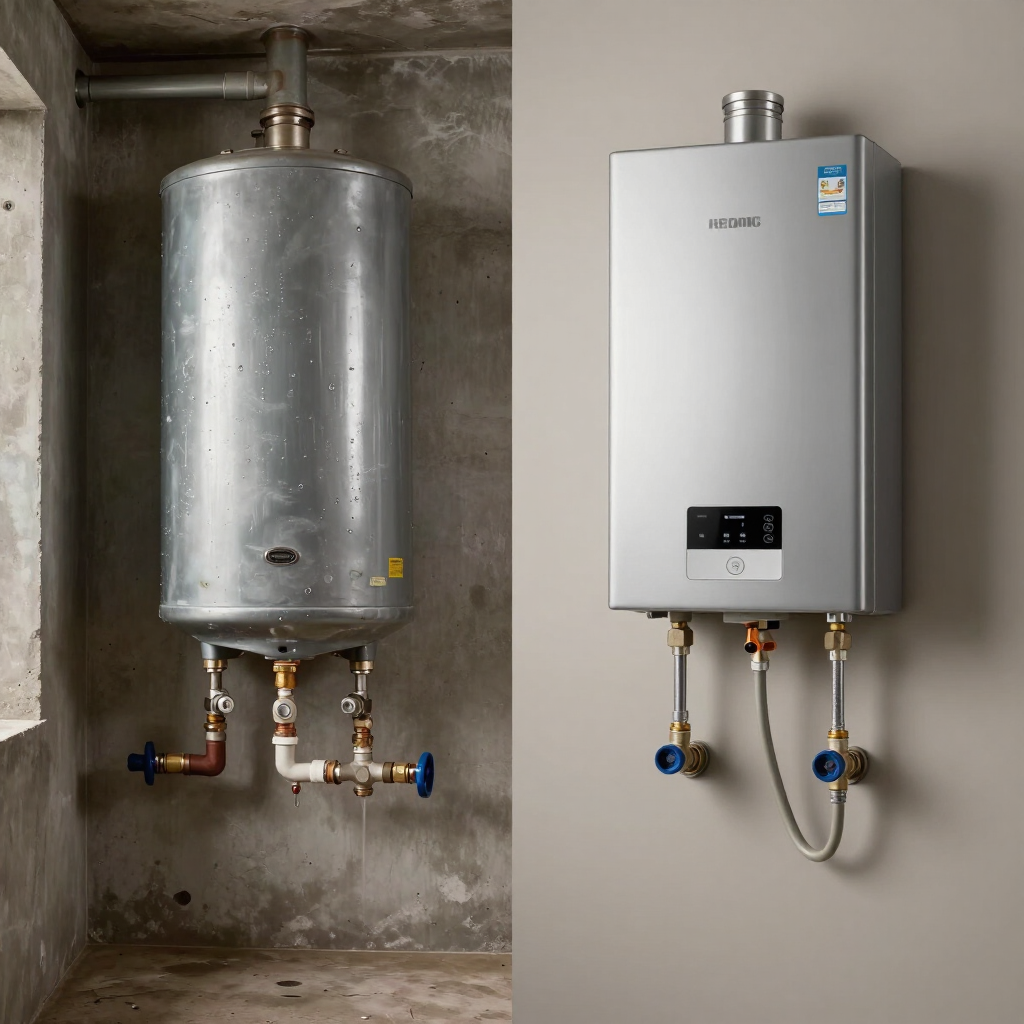
9. Water Heater Issues
If only your hot water pressure is low while cold water pressure remains normal, your water heater may be responsible.
Possible causes include:
- Sediment buildup
- Corrosion
- Clogged supply lines
- Faulty shut-off valves
Regular water heater maintenance helps prevent these issues while extending the unit's lifespan.
10. Aging Plumbing Systems
As plumbing systems age, multiple small issues often combine to reduce water pressure.
Older homes may experience:
- Pipe corrosion
- Worn valves
- Small leaks
- Mineral deposits
- Outdated plumbing materials
Rather than addressing each problem individually, a professional plumbing inspection can identify the most cost-effective long-term solution.
Can Low Water Pressure Damage Your Plumbing?
Low water pressure itself typically doesn't damage your plumbing.
However, the underlying cause certainly can.
Ignoring low pressure caused by hidden leaks, corroded pipes, or failing plumbing components may eventually lead to:
- Burst pipes
- Water damage
- Mold growth
- Higher utility bills
- Foundation problems
- Expensive emergency repairs
That's why it's important to identify the root cause instead of simply living with poor water pressure.
Simple Things Homeowners Can Check
Before calling a plumber, there are a few simple things you can inspect.
Check Other Faucets
Is the problem affecting:
- One faucet?
- One bathroom?
- Only hot water?
- The entire home?
This information helps narrow down the cause.
Inspect Faucet Aerators
Unscrew faucet aerators and look for mineral buildup or debris.
Cleaning them may immediately restore normal flow.
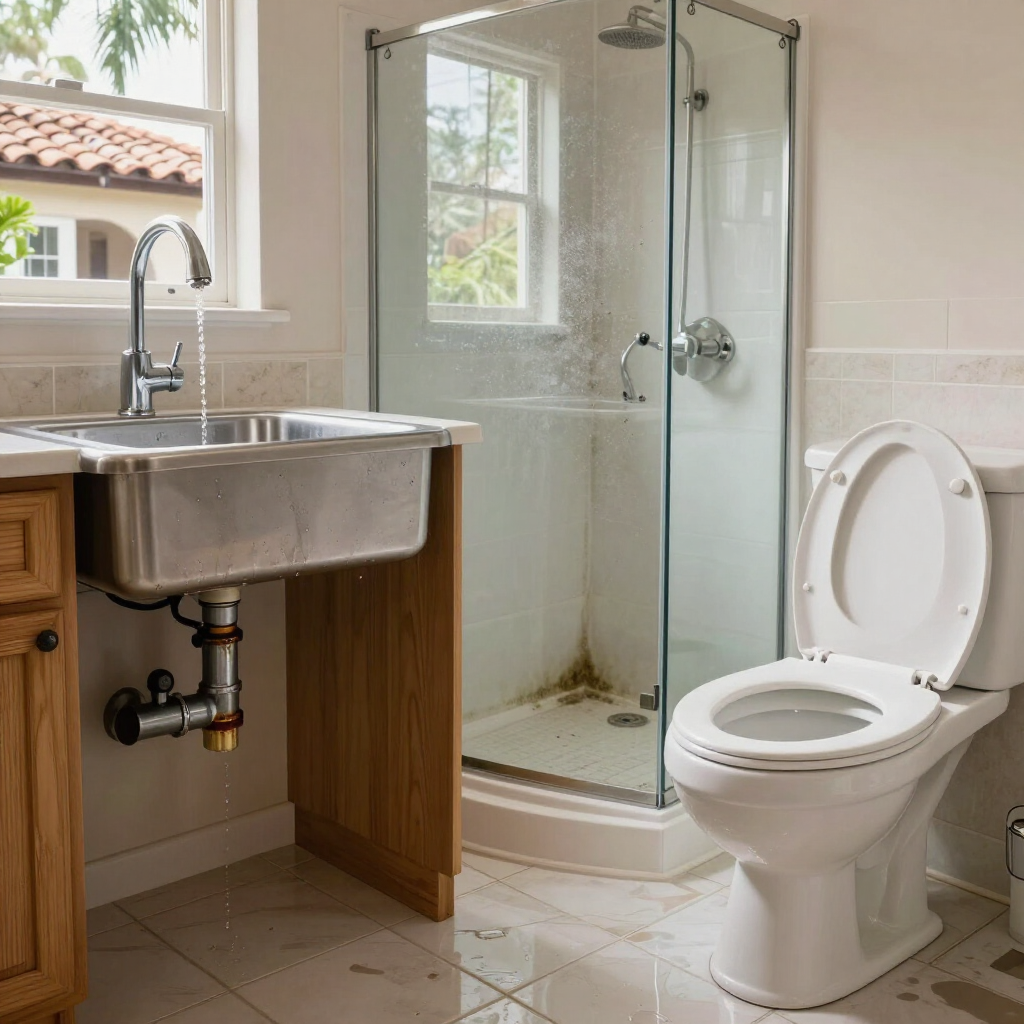
Look for Visible Leaks
Inspect:
- Under sinks
- Around toilets
- Water heater connections
- Outdoor faucets
Even small leaks can affect pressure.
Ask Your Neighbors
If nearby homes are also experiencing low pressure, the issue may be related to municipal water service.
When Should You Call a Plumber?
You should schedule professional plumbing service if:
- Pressure continues getting worse.
- Water pressure suddenly drops.
- Multiple fixtures are affected.
- Your water bill increases.
- You suspect a hidden leak.
- You notice water stains or mold.
- Pipes begin making unusual noises.
The sooner the issue is diagnosed, the easier—and often less expensive—it is to repair.
Why Jacksonville Homeowners Trust Bryant Plumbing
For more than 33 years, Bryant Plumbing has provided dependable plumbing services throughout Jacksonville and Northeast Florida.
Our experienced team offers:
- Leak detection
- Water line repair
- General plumbing repair
- Water heater services
- Plumbing installations
- Emergency plumbing
- Residential plumbing
- Commercial plumbing
Using modern diagnostic equipment and decades of hands-on experience, we quickly identify the source of plumbing problems and recommend reliable, long-lasting solutions.
We proudly offer special discounts for senior citizens, veterans, and first responders.
Restore Strong, Reliable Water Pressure
Low water pressure may seem like a minor inconvenience, but it can be an early warning sign of hidden leaks, aging pipes, or other plumbing issues that deserve prompt attention. Addressing the problem early can improve your home's comfort, reduce water waste, and help prevent costly repairs in the future.
If you're experiencing low water pressure anywhere in your home or business, Bryant Plumbing is here to help. Our skilled team provides expert plumbing diagnostics and repairs throughout Jacksonville and Northeast Florida, with 24/7 emergency service available when you need it.
Call Bryant Plumbing today at (904) 559-2939 to schedule an inspection and let us restore your plumbing system to peak performance.
Contact Bryant Plumbing
Need a trusted plumber? Bryant Plumbing is ready to help with fast, reliable service.
Call us today to schedule your service with our trusted plumbing professionals.
Recent Posts